By Oma Agbai, MD, FAAD | Board-Certified Dermatologist | NorCal Hair Doctor™
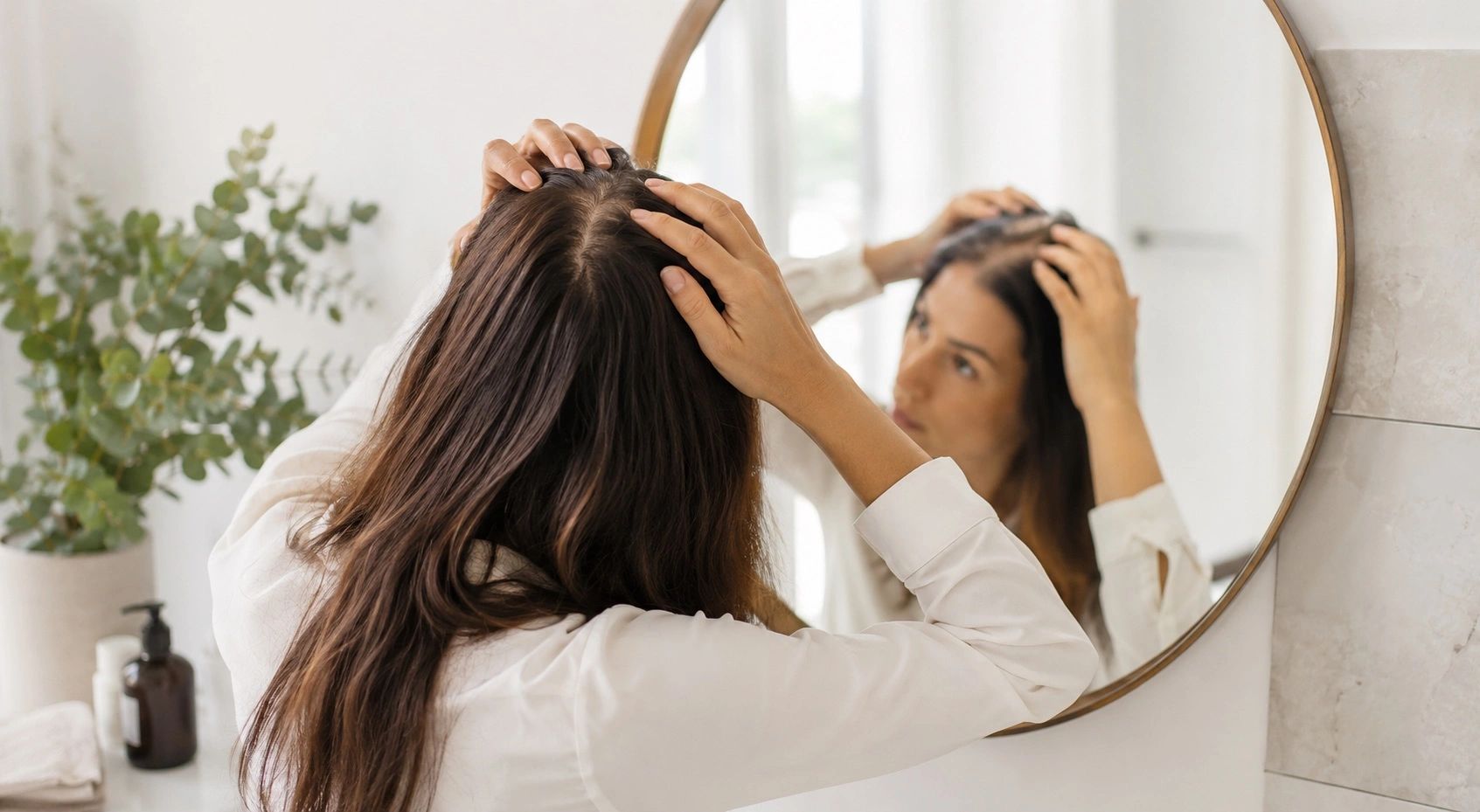
Are GLP-1 medications really causing hair loss?
Medications such as Ozempic®, Wegovy®, Mounjaro®, and Zepbound® have transformed the treatment of obesity and type 2 diabetes. Along with dramatic health benefits, many patients have noticed an unexpected side effect: increased hair shedding.
This is a very real concern, and it is something we see regularly in dermatology clinics.
Current studies suggest that approximately 2% to 4% of patients taking GLP-1 medications report hair loss. With millions of Americans using these medications, that translates to hundreds of thousands of people who may experience increased shedding.
More recently, a 2026 BMJ study found that people taking GLP-1 medications had a 37% higher risk of being diagnosed with alopecia compared with people taking SGLT-2 inhibitors and a 68% higher risk compared with people taking DPP-4 inhibitors. Another study of nearly 2.4 million patients found that semaglutide was associated with an increased risk of androgenetic alopecia compared with metformin, while tirzepatide showed a borderline association with telogen effluvium.
These studies are important, but they demonstrate association, not proof that the medications directly cause hair loss.
Why does rapid weight loss lead to hair shedding?
Hair constantly cycles through three phases: growth, or anagen, rest, or telogen and shedding.
Normally, most of our hair is actively growing.
When the body experiences significant stress, whether from surgery, illness, childbirth or rapid weight loss, it conserves resources by shifting many hairs into the resting phase simultaneously.
About two to three months later, those hairs shed together in a condition known as telogen effluvium.
This is actually an adaptive response. Your body prioritizes supporting your heart, brain, liver, kidneys and other vital organs before investing energy in growing hair.
Is it just the weight loss?
Rapid weight loss appears to be the biggest contributor.
However, researchers continue to investigate whether GLP-1 medications themselves may also influence the hair follicle.
One theory is particularly interesting for tirzepatide, which activates both the GLP-1 receptor and the GIP receptor. GIP receptors have been identified within hair follicles, raising the possibility that these medications could influence the follicular microenvironment. At this point, this remains an area of ongoing research rather than an established mechanism.
Nutrition matters
One of the biggest contributors to hair shedding that I see in clinical practice is inadequate nutrition.
Many patients on GLP-1 medications naturally eat much less because they feel full sooner. While this is beneficial for weight loss, it also increases the risk of consuming inadequate protein or developing deficiencies in iron, vitamin D, zinc, vitamin B12 and other nutrients that support healthy hair growth.
Being intentional about protein intake is one of the most important things patients can do while taking these medications.
Who is most at risk?
Patients losing weight rapidly are at the greatest risk.
Additional risk factors include low protein intake, iron deficiency, thyroid disease, vitamin D deficiency, underlying androgenetic alopecia, and a previous history of telogen effluvium.
Emerging research also suggests women with hypothyroidism, PCOS or irregular menstrual cycles may be more likely to experience hair loss while taking tirzepatide, although more research is needed.
Can it be prevented?
Often, yes.
The best prevention includes gradual, healthy weight loss, adequate daily protein intake, correction of nutritional deficiencies and early evaluation by a board-certified dermatologist if shedding begins.
For patients with underlying hair thinning, early treatment may also reduce visible hair loss.
Should you stop your medication?
Generally, no.
For most patients, the health benefits of GLP-1 medications far outweigh the temporary hair shedding that may occur.
Never stop your medication without discussing it with your prescribing physician.
When should you see a dermatologist?
Hair shedding after weight loss is often temporary, but you should schedule an evaluation if shedding continues longer than six months, you notice widening of your part or progressive thinning, you develop bald patches or your scalp becomes painful, itchy, or red.
Remember, hair loss is a symptom, not a diagnosis. While telogen effluvium is common after rapid weight loss, some patients actually have another form of hair loss that requires completely different treatment.
Bottom line
GLP-1 medications are helping millions of people improve their health. If you notice increased hair shedding, do not panic. In most cases, it is temporary and improves as your weight stabilizes and nutritional needs are met.
The key is identifying the cause early, optimizing nutrition and seeing a board-certified dermatologist if the shedding is severe, prolonged or accompanied by other symptoms.